
Sustainability
Testbourne Community School is committed to sustainability through education, everyday practice, and long‑term planning. Our Climate Action Plan shows how the school reduces its environmental impact, adapts to climate change, supports biodiversity, and educates students to become responsible global citizens.
If you would like to discuss our sustainability strategy, please contact our Sustainability Lead, Mrs Thompson via admin@testbourne.school
Extra Curricular Activities
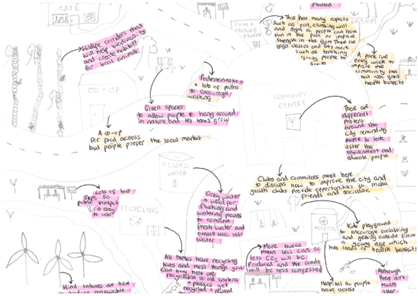
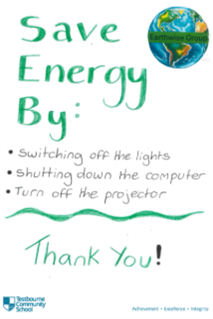
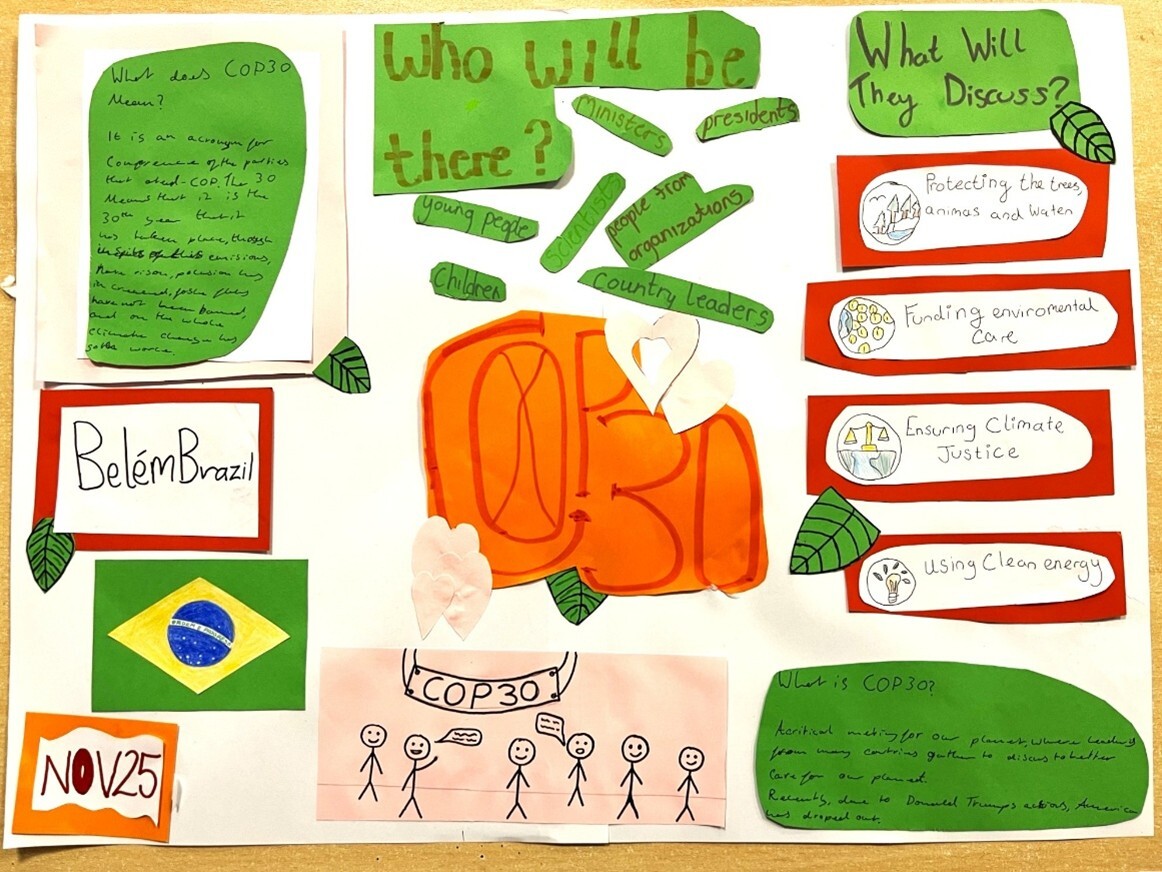
Our eco club, ‘Earthwise’, occurs on a weekly basis on Fridays. This group supports the sustainability strategy of the school. Some of their activities have included: litter picking, planning the Earth Day virtual assembly, learning about COP30, recycling pens, learning about important environmental leaders, and creating Testbourne Unplugged posters. We will also be completing our National Nature Park mapping of the school site in the summer term 2026.
Climate Unity Virtual Conference
A group of TCS students joined approximately 4000 delegates across the county as part of the Climate Unity Virtual Conference in January. Students were able to participate in online workshops and guest presenters from the David Shepherd Wildlife Foundation and Final Straw Foundation.
Sustainability across the Curriculum
TCS integrates sustainability across all subjects and year groups, ensuring students engage with environmental, social, and economic issues in both academic and experiential ways. From classroom learning to real-world trips and clubs, sustainability is a core thread in the school’s educational fabric. We update our topics when appropriate to include latest developments in the sector. The table below outlines the different aspects of sustainability which we teach.
Subject |
Sustainability themes within the subject |
|
Geography |
Resource management, energy, biodiversity, pollution, transport, marine life, food, waste, climate change, economic literacy, architecture, community living, global citizenship, local culture, careers |
|
Personal Development |
Healthy living, pollution, community living, global citizenship, local culture, careers |
|
Design & Technology |
Resource management, energy, food, waste, climate change, economic literacy, architecture, careers |
|
STEM |
Energy, pollution, architecture, careers |
|
English |
Global citizenship, local culture |
|
MFL |
Global citizenship, local culture |
|
History |
Biodiversity, pollution, community living |
|
Religious Education |
Energy, biodiversity, healthy living, pollution, global citizenship, local culture |
|
Computer Science |
Energy, pollution, climate change, economic literacy, architecture, careers |
|
Drama |
Community living, global citizenship |
|
PE |
Healthy living |
|
Mathematics |
Climate change |
|
Science |
Resource management, energy, biodiversity, healthy living, pollution, marine life, food, waste, climate change, careers |
Our Climate Action Plan
Reducing carbon emissions (Decarbonisation)
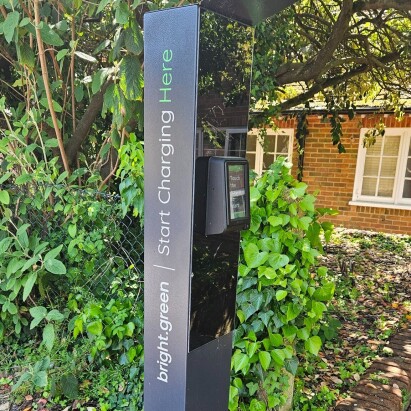
TCS actively works to reduce its carbon footprint by cutting energy use and encouraging sustainable lifestyles. Energy use is reduced through LED lighting, double‑glazed windows, motion sensors, regular equipment maintenance and reminders to switch off devices (Testbourne Unplugged). Solar panels are planned to provide renewable energy, and computers automatically switch to standby when not in use.
The school promotes sustainable travel by providing EV charging points, taking part in the Modeshift STARS scheme and have plans for secure bike racks. Food choices also support decarbonisation through composting food waste, and sourcing local produce (e.g. from Overton’s greengrocer and butcher).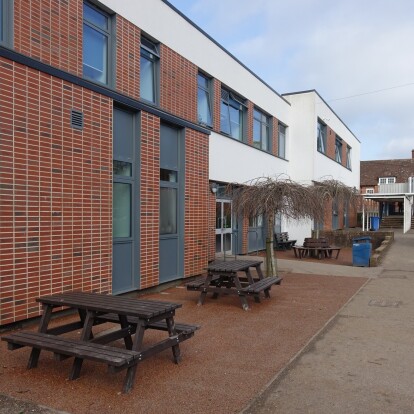
We look to use sustainable products across the school from using FSC certified paper to recycled IT hardware. Our newly refurbished patio area, funded by our PTFA, has used recycled materials in the flooring and benches. Our PTFA also run our second-hand uniform sales.
Adapting to climate change and building resilience
TCS is adapting its site and systems to cope with a changing climate. Water‑saving measures include push‑button taps, dual‑flush toilets and water fountains so students can refill bottles rather than use single‑use plastics.
To manage extreme weather, soakaways have been installed outside the SCOLA block to reduce flooding, and the school is exploring sustainable drainage systems. Shade is provided through trees, canopies and green spaces, helping keep students comfortable during hotter weather.
The school also supports social sustainability by buying from local suppliers, helping strengthen the local economy while reducing food miles.
Climate education and green skills
Sustainability is embedded in the curriculum and wider school life. Climate change, resource management and environmental issues are taught regularly.
TCS promotes green careers through careers weeks, external speakers and planned workshops, helping students understand future job opportunities in sustainability. Events such as Earth Day, Clean Air Day and climate conferences raise awareness and encourage student engagement.
Protecting and increasing biodiversity
TCS is lucky to have wonderful green space. These spaces encourage wildlife and improve the quality of the school environment. Native and pollinator‑friendly plants support insects, birds and other wildlife. Bug hotels and a small community garden contribute to this. Biodiversity education is reinforced through the curriculum and school trips. Local fieldwork to the River Test chalk stream with the Wessex Rivers Trust, allows students to study ecosystems firsthand.
Future Projects
We are always looking to improve so our future projects include;
- Working towards the installation of solar panels.
- Developing our school grounds to build a herb garden for the canteen and Food Technology rooms.
- Encouraging vehicles who wait near the school to switch off their engines to improve air quality and reduce harmful impacts on health.
- Install a covered bicycle rack to support active and sustainable travel.

 Testbourne Community School